
Welcome to our Nursery page!
Meet our team:
Mrs White 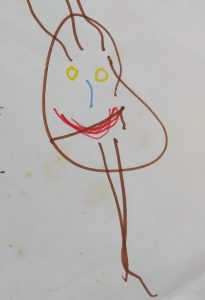 Mrs Grey
  Mrs Lince
  and Mrs Whyman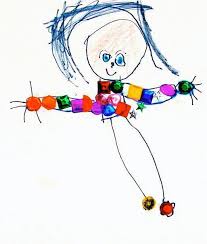
Keep up to date with all that is going on in Nursery here on our school Facebook page (St Bede’s NPCAT).
Long term learning plan – Nursery LTP
Timetable
This is an example of our weekly timetable:
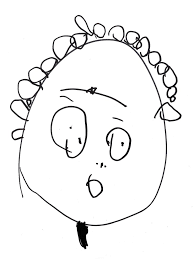
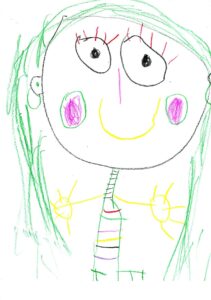
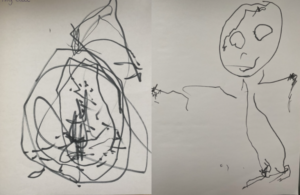
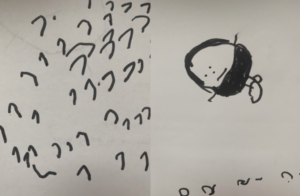
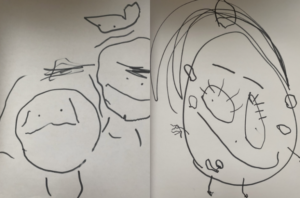
Look at our ‘Draw a Person’ pictures. We are already making progress.
Child A: November 2024 & February 2025
Child B: November 2024 & February 2023
Child C: November 2024 & February 2025
The children love our provision and have a lot of fun learning through play!
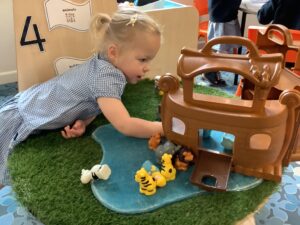
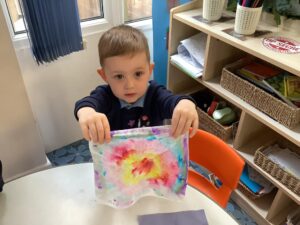
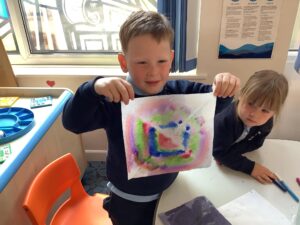
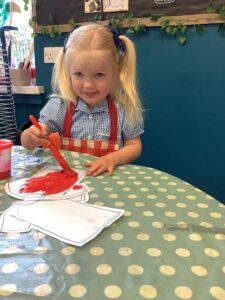
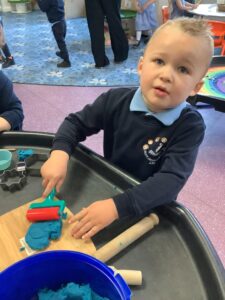
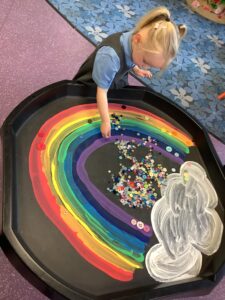
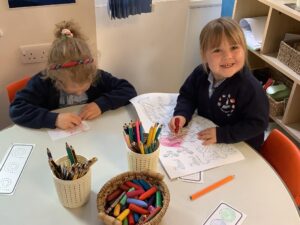
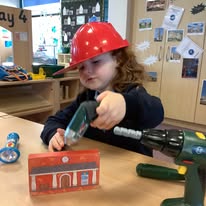
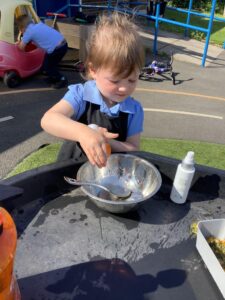
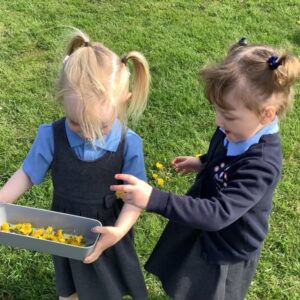
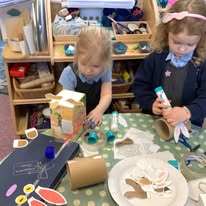
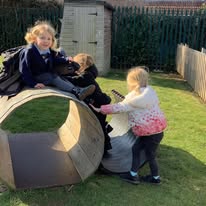
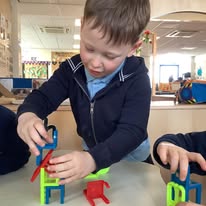
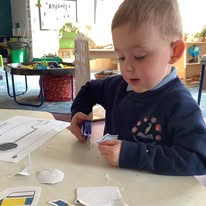
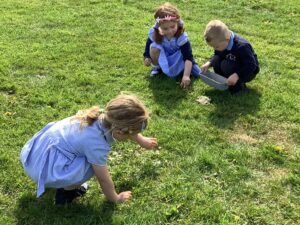
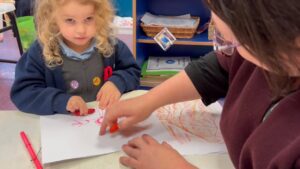
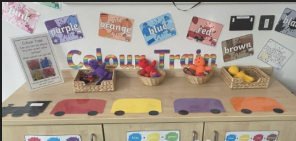
We have a rich learning environment and enhance the areas with books, vocabulary and challenges.
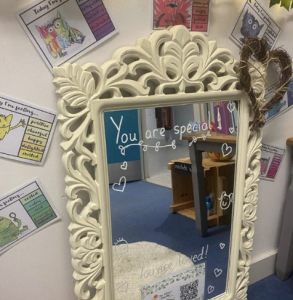
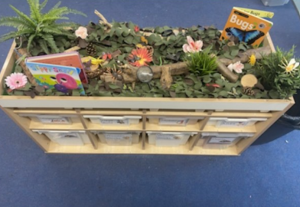
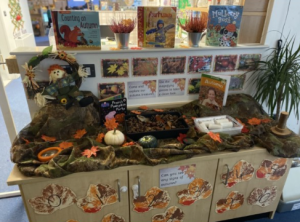
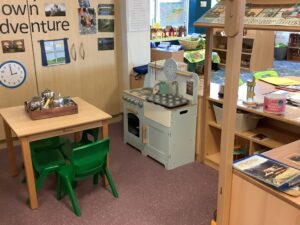
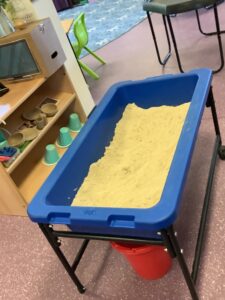
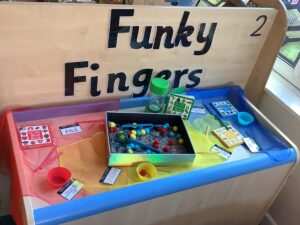
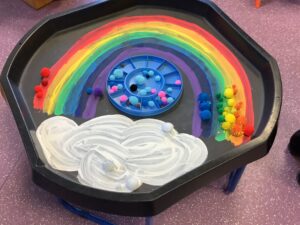
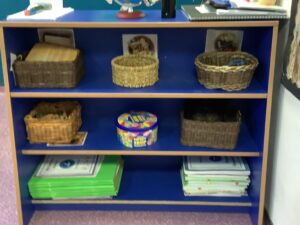
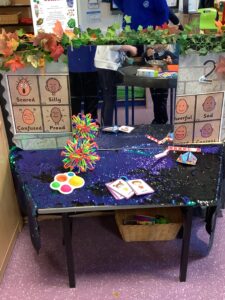
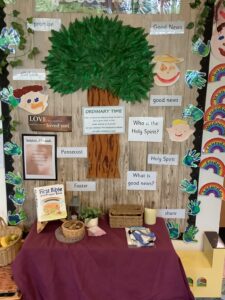
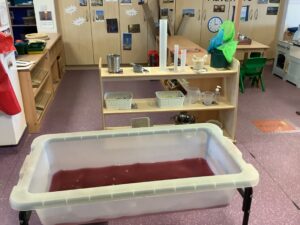
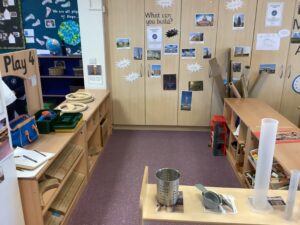
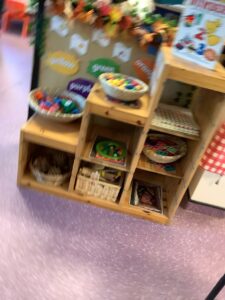
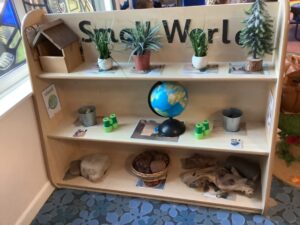
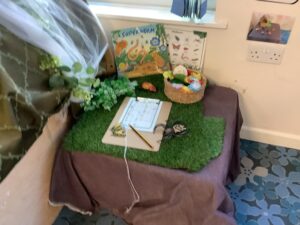
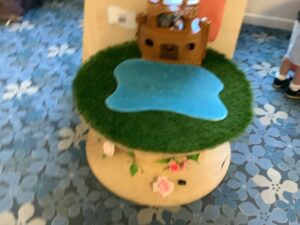
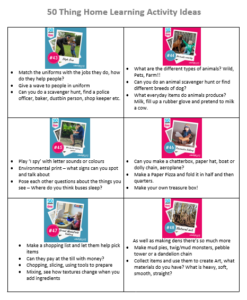
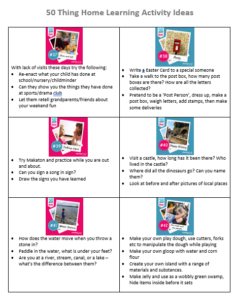
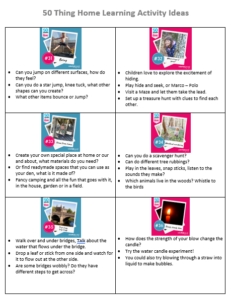
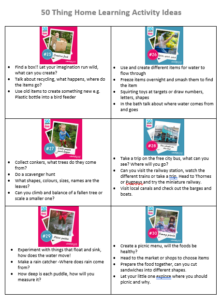
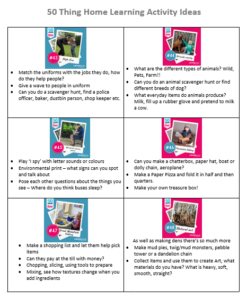
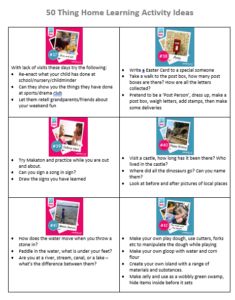
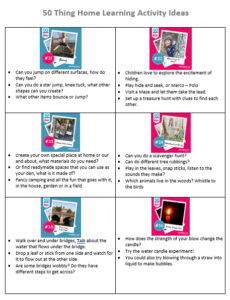
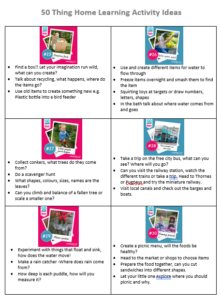
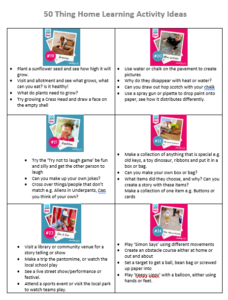
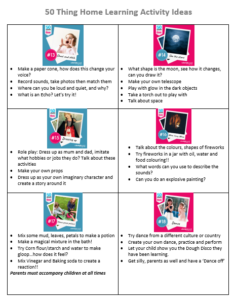
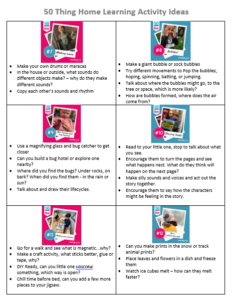
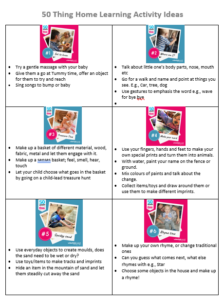
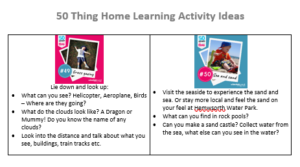
Each term we aim to enhance the children’s learning with planned ‘wow’ moments/trips, visits and activities from the ’50 Things to do Before You’re 5′ guidance. Have a look what we have planned for the year!
50 Things to do before you’re 5 – Home Learning activities
Click the link below for additional information regarding the National Curriculum for Nursery or have a chat with one of the team. Please see the Early Learning Goal progression maps below and on the EYFS subject page for a breakdown of skills the children will be learning.
https://www.gov.uk/government/publications/early-years-foundation-stage-framework–2
Things to Remember
Reading at St Bede’s Primary School –
Phonics
As your child moves through school, they will learn to read following the ‘Little Wandle Letters & Sounds’ Programme. This programme is designed to support the rigorous and systematic approach to teaching synthetic phonics. Our caring teaching staff plan exciting lessons to meet the needs of all individual children.
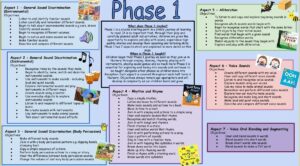
Until your child is ready to begin this programme they will work through the Phase 1 activities of Foundations for Phonics. This phase concentrates on developing children’s speaking and listening skills and lays the foundations for the phonic work through Little Wandle L&S. The emphasis during Phase 1 is to get children attuned to the sounds around them and ready to begin developing oral blending and segmenting skills.
Phase 1 is divided into seven aspects. Each aspect contains three strands:
- Tuning in to sounds (auditory discrimination)
- Listening and remembering sounds (auditory memory and sequencing)
- Talking about sounds (developing vocabulary and language comprehension)
See below for an the aims of each aspect of the scheme.
Reading
There is a focus on reading across school and there are huge benefits to children reading at home. As part of school policy, we ask for children to look at books at home and listen to bedtime stories. You can help your children by hearing them retell stories, but also checking their comprehension. Ask the questions about what they have just heard, what they think will happen next and explain what they think of the books they are reading. It is important for children to listen to and read a range of texts as this makes them well rounded excellent readers.
Inside school, we have carefully placed books throughout our provision and our experienced adults make time to share books with individual children and as part of a group. The children have a Story for Story session at the end of each day where there is an opportunity to listen to stories uninterrupted and develop a love for reading. The children will vote for their favourite story of the week and listen to this again before leaving on a Friday. This enables the children to know a range of familiar stories, develop vocabulary and answer questions about the things they have heard.
We appreciate your help and support in the matter.
Writing at St Bede’s
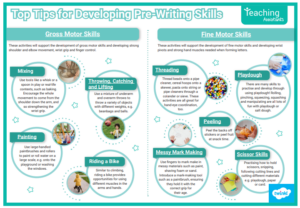
All children work through the various stages of writing at their own pace. Before learning to write all children need to develop their muscle strength and spend lots of time developing their fine motor skills.
You can support your child with their writing by:
- Giving them access to mark making materials including paints, pencils, crayons, felt tips and chalks
- Read, read, read
- Be a writing role model (let your child see you writing rather than typing)
- Provide authentic writing opportunities for your child such as writing cards and shopping lists
- Providing playdough opportunities. Playdough is a great finger-strengthening activity
- Explore fine motor activities such as threading, weaving and manipulating small items with tweezers
- Using scissors. Scissor skills help to develop fine motor muscles. Have long strips of paper available and draw a mixture of pattern lines on them (wavy, zigzag, straight). Invite your child to cut along the lines to complete the pattern.
- Provide sensory opportunities such as squirting shaving foam onto a smooth surface and add some paint.
Children can use their fingers, paintbrushes or sticks to make marks in the shaving foam.
Pencil Grip Development
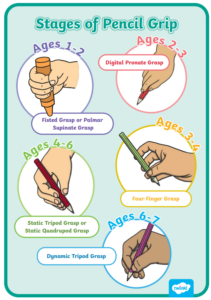
It is important to allow your child to develop a comfortable pencil grip in their own time. There is no need to force your child to hold a pencil in a certain way – their grip should naturally develop and progress as their muscles and posture strengthen and develop.
Please see the poster below for common pencil grips.
Parent Partnerships
We welcome any opportunities for parents to share their skills and knowledge.
Please share any photographs and WOW moments you have at home through our enquiries email at [email protected]. The children enjoy sharing news with their friends and the constant dialogue between home and school helps us to understand your child and their interests.
Thank you for your support.
Useful Information
Tips for Supporting Your Child with Reading at Home
Early Learning Goal Breakdown and Progression
UW ELG PEOPLE CULTURES AND COMMUNITIES
CL ELG LISTENING ATTENTION AND UNDERSTANDING
EAD ELG BEING IMAGINATIVE AND EXPRESSIVE
EAD ELG CREATING WITH MATERIALS
LITERACY ELG READING COMPREHENSION