Welcome to our Reception page!
Meet our team:
Mrs Dalton  Mrs Whyman
Keep up to date with all that is going on in Reception here on our (St Bede’s NPCAT).
Long term learning plan –Reception LTP
Timetable
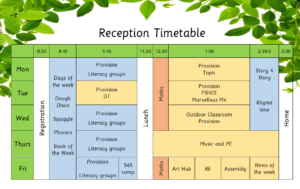
This is an example of our weekly timetable:
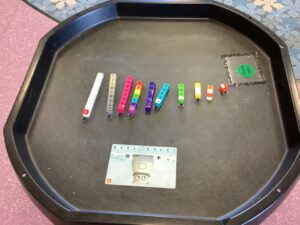
We are brilliant mathematicians and learn lots during our maths lessons and in provision time:
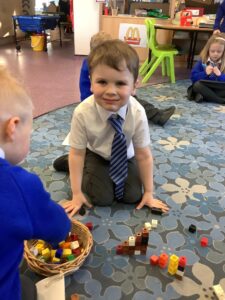
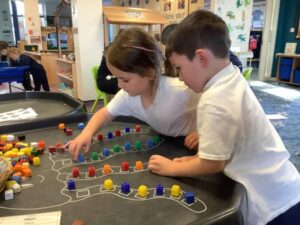
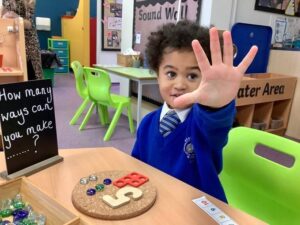
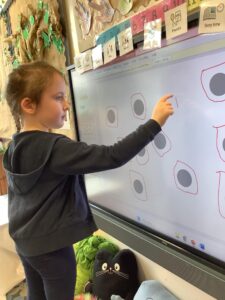
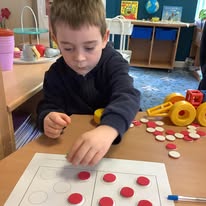
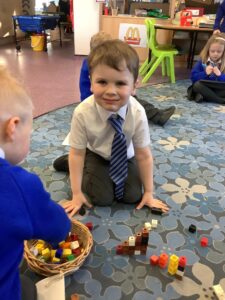
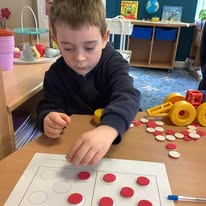
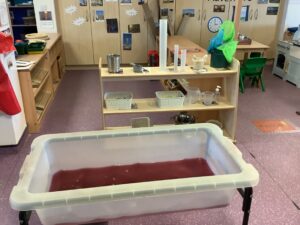
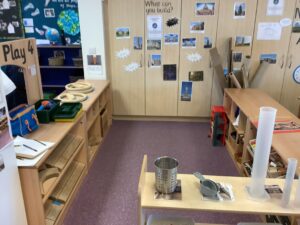
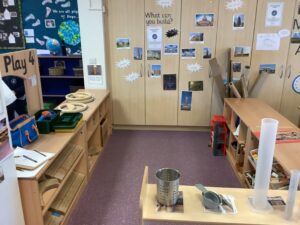
The children love our provision and have a lot of fun learning through play!
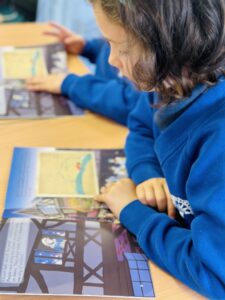

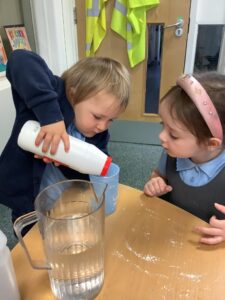
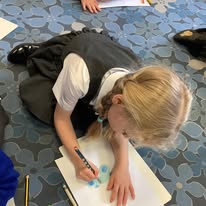
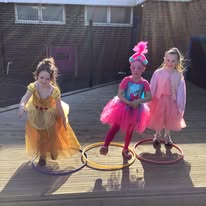
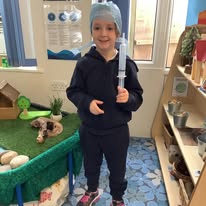
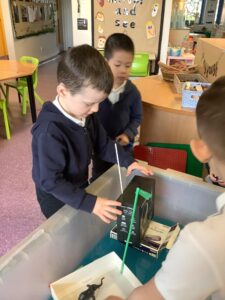
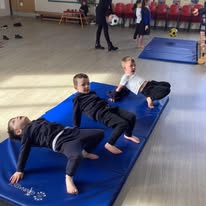
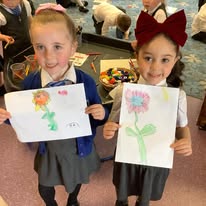
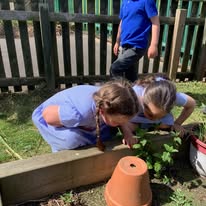
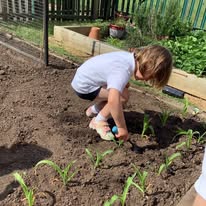
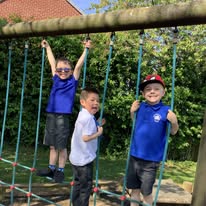
We have a rich learning environment and enhance the areas with books, vocabulary and challenges.
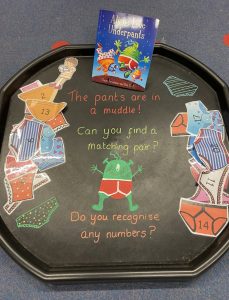
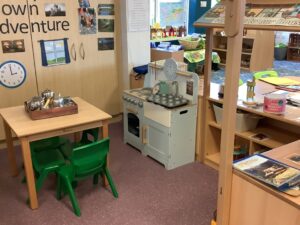
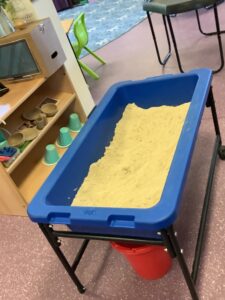
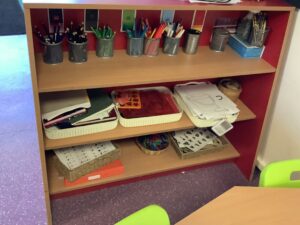
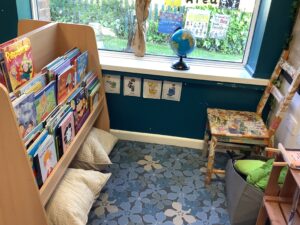
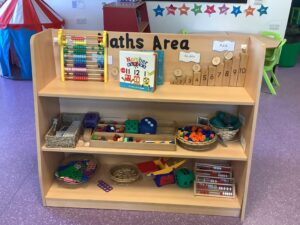
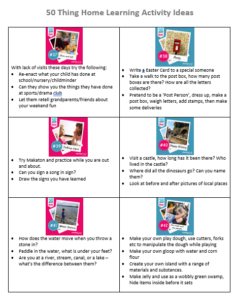
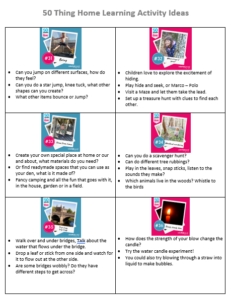
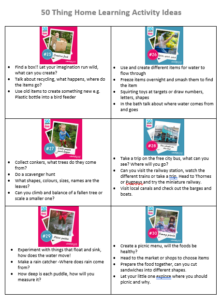
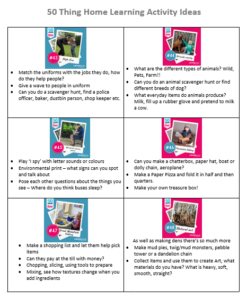
Each term we aim to enhance the children’s learning with trips, visits and activities from the ’50 Things to do Before You’re 5′ guidance. Have a look what we have planned for the year!
Suggested Reception Enrichment
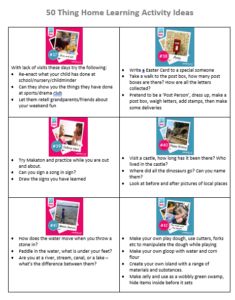
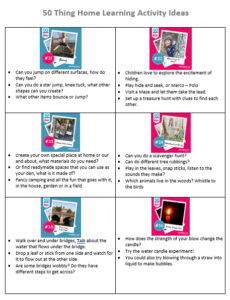
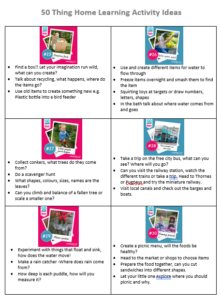
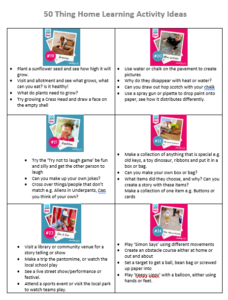
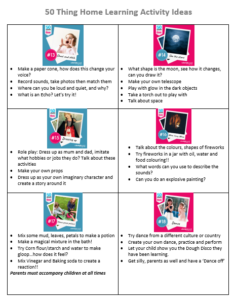
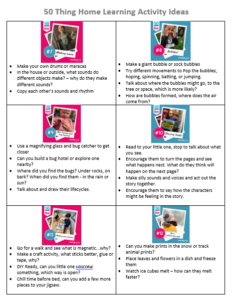
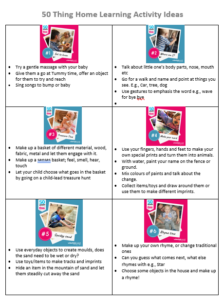
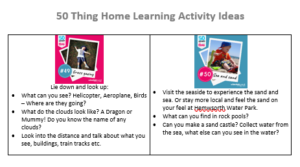
50 Things to do before you’re 5 – Home Learning activities
Listed below are all 50 home learning activities which you may like to complete together at home. You can complete them in any order and upload your photographs to our enquiries email.
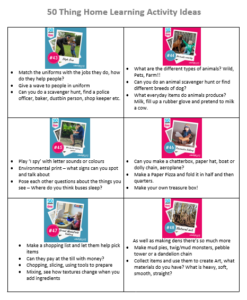
Click the link below for additional information regarding the National Curriculum for Reception or have a chat with Miss Loughran or one of our early years team. Please see the Early Learning Goal progression maps below and on the EYFS subject page for a breakdown of skills the children will be learning.
https://www.gov.uk/government/publications/early-years-foundation-stage-framework–2
Things to Remember
PE Kit:
Please wear your PE kit to school on Tuesdays and ensure no jewellery is worn at any time. You can come to school in your PE kit and wear it throughout the day.
Our school PE kit is as follows:
- White shirt with optional logo
- Blue shorts
- Suitable trainers (Velcro if possible)
In colder months you can wear alternatives to keep you warm:
- Blue leggings or joggers
- Blue hoodie or jacket
Homework
Children are expected to bring their reading records back every Monday so comments can be read and books can be changed throughout the week and we ask that children read at least 3 times per week. Please initial or leave a comment each time that your child reads so we know how they have got on. We will set additional homework where we feel appropriate.
School Dinners
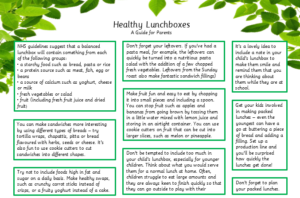
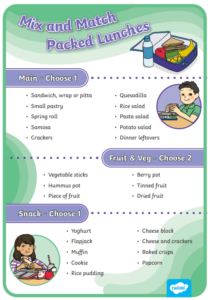
If you are are wanting a school dinner, you can order them from the school office. All Reception aged children are entitled to Free School Dinners but if you prefer to provide a packed lunch then we ask that you ensure that it is a healthy and balanced lunch. Follow our guide below to help you with ideas for your child’s lunch.
Reading at St Bede’s Primary School
Phonics
Your child will learn to read following the ‘Little Wandle Letters & Sounds’ Programme. This programme is designed to support the rigorous and systematic approach to teaching synthetic phonics. Our caring teaching staff plan exciting lessons to meet the needs of all individual children.
Here is a link to the Little Wandle website. https://www.littlewandlelettersandsounds.org.uk/resources/for-parents/
Watch the video in this link to listen to how we say the sounds.
Reading
There is a focus on reading across school and there is proven huge benefits to children reading at home. As part of school policy, we ask for children to read at least 3x at home each week and that this is signed by a parent. You can help your children by hearing them read, but also checking their comprehension. Ask the questions about what they have just read, what they think will happen next and explain what they think of the books they are reading. It is important for children to read a range of texts as this makes them well rounded excellent readers.
Inside school, children have weekly reading sessions in which they have opportunity to have adult based and independent reading activities.
We appreciate your help and support in the matter.
Writing at St Bede’s Primary School
Developmental Progression of Writing
All children work through the various stages of writing at their own pace.
See the chart below for the development of writing through the early years and beyond.
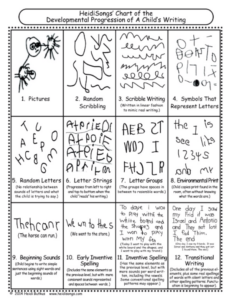
As we learn more sounds throughout the school year, the spelling of words may change. For example, ‘with’. Until we have learnt the ‘th’ sound, children may spell it ‘wiv’.
The children will learn to use their phonics to write simple sentences which can be read by themselves and others. Some words are spelt correctly, and others are phonetically plausible.
Examples of phonetically plausible sentences:
- The gijbred man is cwic. (The gingerbread man is quick)
- I sii a pan. (I see a pan)
- We are at scol. (We are at school)
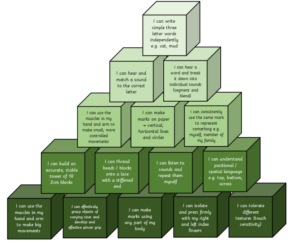
The Building Blocks of Writing
If the lower levels are missing then the rest of the tower will come crashing down.
Parent Partnerships
We welcome any opportunities for parents to share their skills and knowledge.
Please listen to your child read at home every day and record this in your child’s reading record.
We would like to see all your WOW moments at home recorded on our school emails [email protected] on WOW cards, notes or photographs for us to share with the children in class.
Thank you for your support.
Some useful websites
Little Wandle – Little Wandle is our school phonics scheme where you can find parent information there.
1-minute maths | Maths App | White Rose Maths – White Rose Maths 1 Minute Maths helps children to build greater number confidence and fluency.
Please click here for Tips for Supporting Your Child with Reading at Home.
We understand that the children in Reception make exceptional progress throughout the year and we would like to celebrate their achievements, at home or at school. We have some ‘WOW moments’ certificates at the front door of our cloakroom where you are more than welcome to take some to document your child’s achievements.
Any question, queries or concerns of any kind, please come and speak to us. We look forward to working with you closely to ensure your child continues to thrive!
Early Learning Goal Breakdown and Progression
UW ELG PEOPLE CULTURES AND COMMUNITIES
CL ELG LISTENING ATTENTION AND UNDERSTANDING
EAD ELG BEING IMAGINATIVE AND EXPRESSIVE
EAD ELG CREATING WITH MATERIALS
LITERACY ELG READING COMPREHENSION