In choosing this programme, there are a number of key decisions which we have made in order to pitch the learning for the appropriate age and stage of the children.

Genitalia is not named in Early Years Foundation Stage, private parts are merely referred to as ‘privates’. However, in Key Stage One, a decision has been made to introduce names of genitalia to Years 1 and 2.
The case for introducing teaching about genitalia at this age is two-fold.
The first is that this is the stage at which we talk to children about the differences between boys and girls. Here, it is important not to uphold negative gender stereotypes and, in fact, the nonphysical differences between boys and girls at this age are small and difficult to define. By linking gender to biological sex, it helps children to understand the difference, equality and complementarity of boys and girls.
The second is a safeguarding issue. The argument goes that if young children are better able to confidently articulate about private body parts, they are better equipped to identify experiences of feeling uncomfortable if any form of abuse takes place.

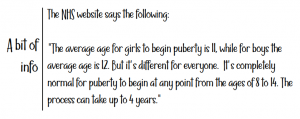
In Module 2 of Lower Key Stage One, there are two sessions on puberty and changing bodies. We have decided that these sessions are best suited for the end of Year 4. By this time, children’s bodies can be starting to change and again we want to inform them of this at the appropriate time.

The third key area for consideration is about whether to include a session in Upper Key Stage Two which answers the question: ‘Where do babies come from?’
Naturally, this question leads to a discussion about sexual intimacy.
This is not part of the statutory curriculum for primary school children however we are happy to provide resources which parents can lead with their children at home when they feel the time is right.

The final key decision concerns talking about pornography. One of the sessions in Upper Key Stage Two addresses the risks that children face online such as seeing inappropriate or indecent images. We have taken the decision to not specifically talk about pornography but to teach a general theme of keeping safe online and what to do if we see anything or are contacted online which makes us feel uneasy or unsafe.
We appreciate your support during consultation in our decision making on these areas and we are happy to support you at home if you wish to discuss these further with your child.
We will always try to keep you updated with the latest thinking on these matters.